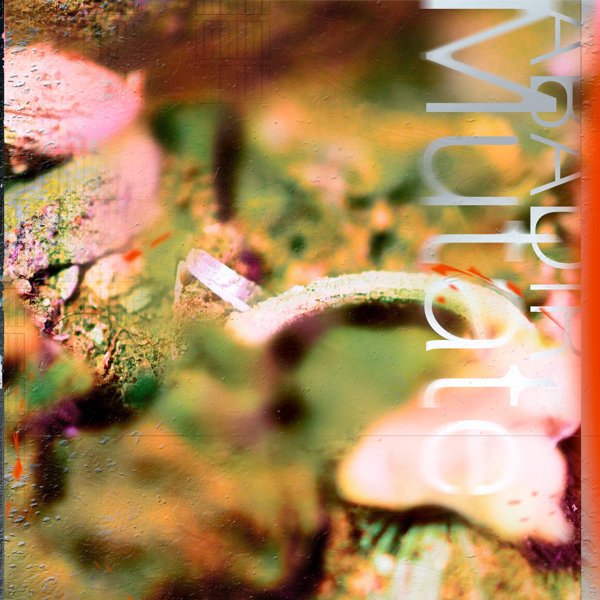
Mahur Club
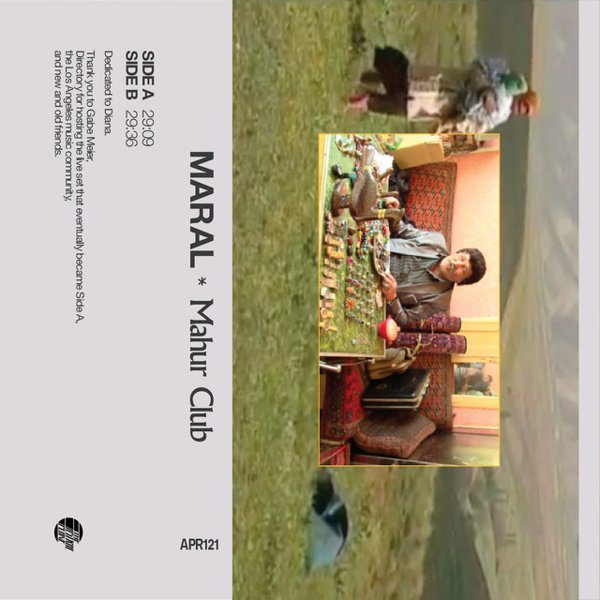
In one interview Maral said Los Angeles-based producer and DJ Maral Mahmoudi said she wanted her music “to feel like you are in a taxi in Iran with the windows down and the taxi driver is playing an old cassette and the sounds from outside are mixing in to create a whole new song,” and on 2019 debut album Mahur Club she did a good job at conjuring that feeling pretty vividly.
Known for exploring the space between Iranian musical traditions and experimental club music, building a sound where folk recordings, heavy bass and electronic production exist in constant dialogue, on Mahur Club Maral pairs distorted bitcrushed melodies, warped instrumental samples and vocal snippets with familiar dance-floor rhythms, from reggaeton to dub, in a way that sounds messy and sometimes a little dissonant, but immediately absorbing.
Drawing from mixtapes made by her parents in the 1980s and ’90s, family trips to Tehran, and Persian record stores in Los Angeles, Maral’s samples are deeply tied to personal memory and place. Setar and ney melodies, fragments of vocals and archival recordings are pulled apart and transformed into something more abstract, capturing the feeling of a half-remembered scene rather than simply recreating the past. The album’s title refers to the Persian classical mode Mahur, but this is not a straightforward exploration of tradition; instead, Maral uses these sounds as raw material for a constantly shifting sonic world.
What makes Mahur Club so compelling is the tension between familiarity and distortion. The emotional weight of the original recordings remains intact, even as they are fractured by heavy bass and warped rhythms. The result is a record that captures that feeling of hearing something familiar from a distance — recognisable, but altered by time and memory.
Recommended by